Lesson 1: What is Programming
Definition 💻:
Programming is the process of creating instructions that a computer can understand and execute. These instructions are written in a programming language and tell the computer what to do, step by step.Importance in Daily Life 🌍:
Programming powers almost everything around us — from websites and mobile apps to smart home devices, ATMs, and even the systems used in hospitals, transportation, and entertainment. Without programming, technology as we know it wouldn't exist.How Programming Helps Solve Problems 🛠️:
Programming allows us to automate tasks, analyze data, create tools, and design solutions for real-world challenges. For example, it can help businesses manage customers, help scientists process research data, or help people connect across the globe.Lesson 2: Programming Languages
What is a Programming Language 🗣️?
A programming language is a set of rules and syntax used to write instructions for a computer. Just like human languages, each programming language has its own grammar and style.Differences Between Programming Languages:
- Syntax ✏️: How code is written and structured.
- Purpose 🎯: Some languages are better for websites, others for data analysis, and others for system programming.
- Speed and Efficiency ⚡: Some languages run faster or require fewer resources.
Examples of Popular Languages and Their Uses:
- JavaScript
 → For building interactive websites.
- Python
 → For data analysis, AI, and automation.
- Java
 → For mobile apps and large systems.
- C++
 → For games and high-performance applications.
- PHP
 → For server-side web development.
Lesson 3: Code Editors
What is a Code Editor 📝?
A code editor is a tool where you write and edit your programming code. It provides features that make coding easier, such as syntax highlighting, auto-completion, and error detection.Types of Editors 📂:
- Text Editors 📄 – Simple tools for writing code (e.g., Notepad++, Sublime Text).
- Integrated Development Environments (IDEs) 🖥️ – More advanced, combining a code editor with debugging tools, build automation, and more (e.g., Visual Studio Code, PyCharm, Eclipse).
Popular Editors and How to Choose One ⚙️:
- Visual Studio Code
 – Lightweight, fast, and supports many languages.
- Sublime Text
 – Minimalist and quick to start.
- PyCharm
 – Great for Python development.
Lesson 4: Compiler vs Interpreter
Difference Between Compiler and Interpreter:
- Compiler 🏎️ – Translates the entire program into machine code before running it. This often makes the program run faster after compilation.
- Interpreter 🚶♂️ – Reads and executes code line-by-line without creating a separate machine code file.
How Each Works 🔍:
- Compiler: Source code → Compiled into machine code → Then executed by the computer.
- Interpreter: Reads one line of code, translates it, and executes it immediately.
Examples of Languages 📚:
- Compiled Languages: C
 C++ Java
- Interpreted Languages: Python JavaScript PHP
Lesson 5: Programming Fields and Learning Roadmap
Programming Fields
Web Development
What is Web Development 🗣️?
Web development encompasses the entire process of creating, building, and maintaining websites and web applications that function over the internet or an intranet.1. Front-End Development 🎨
Learn how to build what users see and interact with.
🔹 Core Fundamentals:
- HTML
 ← Page structure
- CSS
 ← Styling and layout (Learn Flexbox & Grid)
- JavaScript (JS) ← Adding interactivity
🔹 Key Frameworks/Libraries:
- React.js
 ← Most in-demand (by Facebook)
- Vue.js
 ← Beginner-friendly and lightweight
- Angular
 ← For enterprise projects
Market Share
🔹 Supporting Tools:
- SASS/SCSS ← Enhanced CSS writing
- Tailwind CSS ← Utility-first CSS framework
- Webpack/Vite ← Bundling and optimization
2. Back-End Development ⚙️
Learn server-side programming and data management.
🔹 Primary Languages/Frameworks:
- JavaScript (Node.js)
 + Express.js ← Easy if you know JS
- Python + Django/Flask
- PHP + Laravel

- Java + Spring Boot

🔹 Databases (Learn at least one):
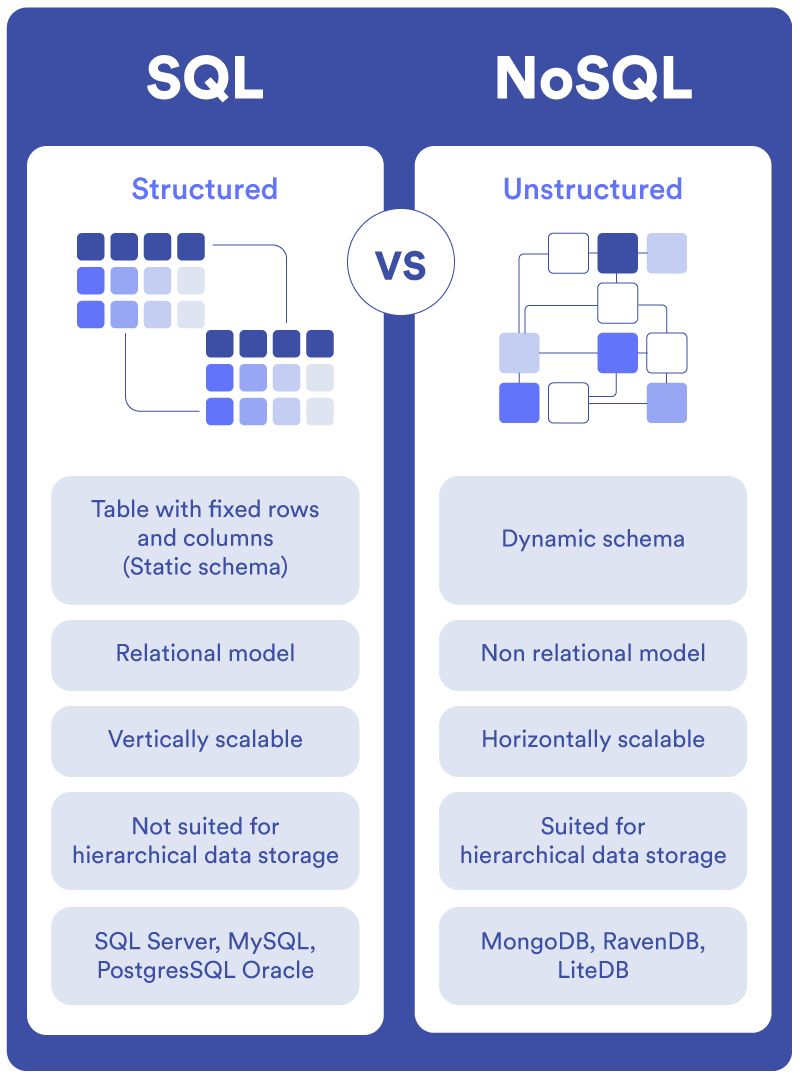
- SQL
 (MySQL, PostgreSQL) ← Relational data
- NoSQL (MongoDB) ← Flexible document storage
- SQLite ← Lightweight local database
- Redis ← Caching & performance boost
SQL vs NoSQL
🔹 Essential Tools:
- RESTful APIs ← Front-end/Back-end communication
- Postman ← API testing
🔹 Additional Required Skills (Full-Stack):
- Git & GitHub
 ← Version control
- Authentication (JWT, OAuth) ← User login systems
- Security Basics ← Protect apps (XSS, CSRF)
- Testing ← Unit & integration testing
3. Advanced Topics 🚀
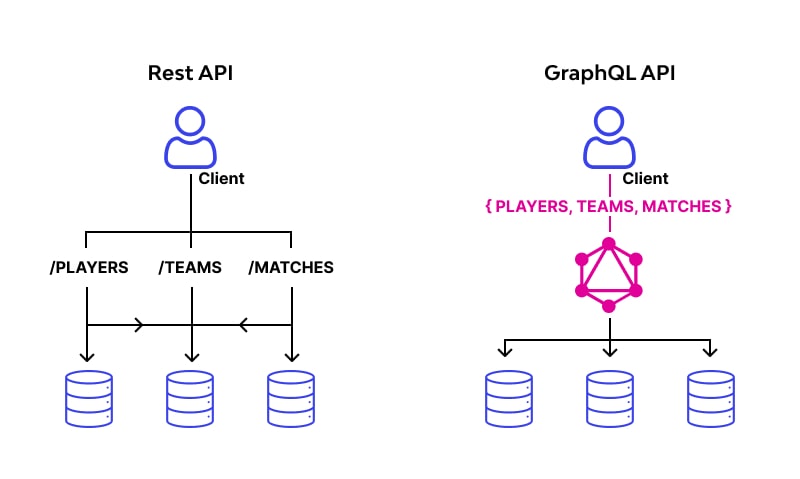
- GraphQL ← Modern alternative to REST
- WebSockets ← Real-time apps (chat, live notifications)
- Microservices ← Split apps into smaller services
- Serverless (AWS Lambda, Firebase Functions) ← Deploy without servers
4. Deployment & Hosting 🌍
- Netlify / Vercel ← Front-end hosting
- Heroku / Render / Railway ← Back-end hosting
- VPS (DigitalOcean, AWS, GCP) ← Cloud servers
- Domain & DNS ← Buying & connecting domains
5. Portfolio Building 💼
- Build real projects (E-commerce, Blog, Dashboard)
- Push projects to GitHub
- Create a personal portfolio website
- Share work on LinkedIn & GitHub
Mobile-App Development 📱
0️⃣ Fundamentals (For Beginners)
🔹 Programming Basics
- Variables & Functions ← Building blocks for app logic and data control
- Conditionals & Loops ← For decision-making and repetitive tasks
- Data Structures ← Organized data storage (arrays, lists, etc.)
🔹 Mobile Development Concepts
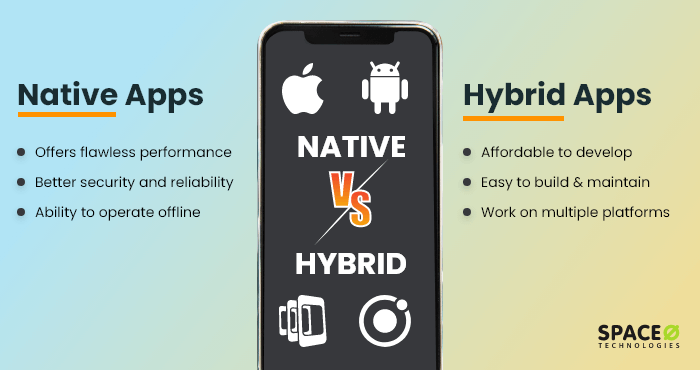
- Native vs Hybrid: Native apps = better performance, Hybrid = cross-platform
- UI Design ← Creating intuitive and attractive screens
- State Management ← Preserving app data across screens
1️⃣ Specialization (Choose Your Path)
🔹 Android Native Development
- Kotlin
 ← Google's
 modern language
- Jetpack Compose
 ← Modern UI toolkit
- Android Studio
 ← Official IDE
- Firebase
 ← Cloud services
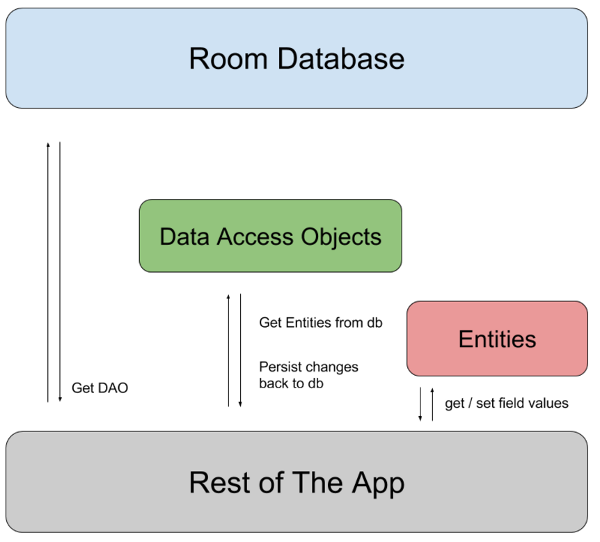
- Room Database ← Local data persistence
🔹 iOS Native Development
- Swift
 ← Apple's
 powerful language
- SwiftUI
 ← Declarative UI framework
- Xcode
 ← Official IDE
- CoreData ← Local data storage
- CocoaPods
 ← Dependency manager
🔹 Cross-Platform Development
- Flutter (Dart)
 ← Google's UI toolkit for beautiful native apps
- React Native (JS /TS
 ) ← Facebook's
 framework
Key Libraries:
- State Management: Redux/Provider
- APIs: Axios/Dio
- Navigation: React Navigation
2️⃣ Essential Tools
🔹 Design
- Figma/Adobe XD
 ← For UI/UX prototyping
🔹 Testing
- Unit Tests ← Testing functions and logic in isolation
- UI Tests ← Simulating complete user interactions
- TDD ← Test-Driven Development methodology
- Mocking Tools ← Creating fake objects for testing (Mockito)
🔹 Project Management
- Git/GitHub ← Version control
- Jira/Trello
 ← Task organization
3️⃣ Advanced Skills
🔹 Data & APIs
- REST/GraphQL ← Server communication
- Firebase ← Real-time database
- SQLite ← Local device storage
🔹 App Security
- Secure Data Storage ← Using KeyStore/Keychain for sensitive data
- Data Encryption ← Applying encryption (AES) for data at rest
- Secure Communication ← Using Certificate Pinning to prevent attacks
- Strong Authentication ← Supporting biometric auth and 2FA
🔹 Advanced Features
- Push Notifications ← Firebase Cloud Messaging
- Payments ← Stripe integration
- Maps ← Google Maps/Apple Maps SDKs
4️⃣ Deployment & Optimization
🔹 App Stores
- Google Play Console
 ← Android
 publishing
- App Store Connect
 ← iOS publishing
- Beta Testing ← TestFlight (iOS) Firebase (Android)
🔹 Performance
- Crashlytics ← Error monitoring
- Battery/Size Optimization ← Resource efficiency
5️⃣ Career Growth
🔹 Continuous Learning
- Follow Google /Apple updates
- Join dev communities (Stack Overflow / GitHub)
- Advanced courses (Udemy, Coursera)
🔹 Portfolio Building
- Personal projects showcasing skills
- Open-source contributions
- LinkedIn presence
AI & Machine Learning 🤖
0️⃣ Fundamentals (For Beginners)
🔹 Programming & Math Basics
- Python & R
 ← The field's primary languages
- Math Fundamentals ← Linear Algebra, Statistics & Probability, Calculus
- Data Structures & Algorithms ← Efficient data processing
- Logic & Algorithms ← The logical foundation for building AI systems
🔹 Core AI Concepts
- What is AI? ← The difference between AI, ML, Deep Learning, Generative AI
- Machine Learning Types ← Supervised, Unsupervised, Reinforcement Learning
- AI Ethics ← Algorithmic bias, Privacy, Transparency
- Project Lifecycle ← Data collection, cleaning, modeling, evaluation, deployment
1️⃣ Specialization (Choose Your Path)
🔹 Data Science & Analytics
- Pandas
 & NumPy
 ← Manipulating numerical data
- Matplotlib
 , Seaborn
 & Plotly
 ← Data visualization
- SQL & NoSQL ← Querying databases
- Jupyter Notebook
 ← Interactive environment
- Tableau / Power BI ← Professional data visualization tools
🔹 Classic Machine Learning
- Scikit-learn
 ← Core ML library
- Regression ← Predicting continuous values
- Classification ← Categorizing data
- Clustering ← Finding patterns in data (K-Means, DBSCAN)
- Dimensionality Reduction ← Simplifying complex data (PCA, t-SNE)
🔹 Deep Learning
- TensorFlow
 / PyTorch
 ← Main neural network frameworks
- Keras
 ← High-level interface
- Artificial Neural Networks (ANNs) ← Foundation for all complex models
Natural Language Processing (NLP)
- NLTK, spaCy ← Basic language processing
- Transformers (Hugging Face) ← Advanced language models (BERT, GPT, T5)
Computer Vision
- OpenCV ← Basic image processing
- CNN ← Convolutional Neural Networks for image analysis
- YOLO, R-CNN ← Object detection and tracking
Generative Models
- GANs ← Generative Adversarial Networks
- VAEs ← Variational Autoencoders
- Diffusion Models ← Latest image generation tech
2️⃣ Essential Tools
🔹 Environment & Development
- Git & GitHub ← Version control
- Docker
 & Kubernetes ← Containerization
- VS Code / PyCharm / Jupyter ← IDEs
- Linux Command Line ← Essential for servers and tools
3️⃣ Advanced Skills
🔹 Machine Learning Engineering (MLOps)
- Lifecycle Management ← MLflow, Kubeflow, Weights & Biases
- Model Deployment ← FastAPI, Flask, Streamlit
- Cloud Computing ← AWS SageMaker, Google Vertex AI, Azure ML
- Feature Stores ← Feast, Tecton for managing training data
🔹 Advanced Fields
- Reinforcement Learning ← Training agents for sequential decision-making
- Generative AI ← Large Language Models (LLMs), content generation
- Advanced Deep Learning ← Transformers, Attention Mechanisms
- Advanced Computer Vision ← Object detection, image segmentation
5️⃣ Career Growth
🔹 Portfolio Building
- Personal Projects ← Applying knowledge to real problems (Kaggle platform)
- Open Source Contribution ← Contributing to open-source libraries
- LinkedIn Presence ← Showcasing projects, networking with professionals
- Technical Blogging ← Sharing knowledge and documenting projects
- Specialized Certifications ← Getting certified from cloud service providers
Data Engineering
0️⃣ Fundamentals (For Beginners)
🔹 Programming & OS Basics
- Python ← Data manipulation, scripting, automation
- SQL ← Core queries, complex joins, aggregations
- Linux
 /Unix ← Terminal navigation, file system management
🔹 Core Concepts
- ETL vs. ELT ← Extract, Transform, Load processes
- Data Modeling ← Star Schema, Snowflake Schema, fact & dimension tables
- Batch vs. Stream Processing ← Understanding latency requirements
1️⃣ Essential Tools & Skills
🔹 ETL & Pipeline Orchestration
- Apache Airflow
 ← Defining, scheduling, and monitoring workflows as DAGs
- dbt (data build tool) ← Transforming data in the warehouse using SQL
- Traditional ETL ← Tools like Talend, Informatica
2️⃣ Intermediate Data Engineering
🔹 Big Data Technologies
- Apache Spark
 ← Unified engine for large-scale data processing
- Apache Kafka
 ← Distributed event streaming platform
- Hadoop Ecosystem
 ← HDFS (storage), MapReduce (processing)
🔹 Cloud Data Platforms
- AWS
 ← Redshift (warehouse), Glue (ETL), Lambda (serverless)
- GCP
 ← BigQuery (serverless warehouse), Dataflow
- Azure
 ← Synapse Analytics, Data Factory
🔟 Career Growth & Mastery
🔹 Continuous Learning
- Courses & Platforms ← Coursera
 , Udacity, DataCamp, ACloudGuru
- Books ← "Fundamentals of Data Engineering", "Designing Data-Intensive Applications"
- Communities ← Slack/Discord groups (Data Engineering Podcast, dbt Slack)
Cybersecurity
0️⃣ Fundamentals (For Beginners)
🔹 Computer & OS Basics
- Windows
 ← Users, file system, permissions
- Linux ← Terminal, processes, permissions
- Virtualization ← VMware
 , VirtualBox

🔹 Cybersecurity Concepts
- Threats, Vulnerabilities, Risks ← Core concepts
- CIA Triad ← Confidentiality, Integrity, Availability
- Authentication & Authorization ← Access control
1️⃣ Essential Tools & Skills
🔹 Network Tools
- Wireshark
 ← Traffic analysis
- Nmap
 ← Port scanning
- Metasploit
 ← Exploitation framework
3️⃣ Specializations (Choose Your Path)
🔹 Application Security (AppSec)
- OWASP Top 10 Vulnerabilities
- Secure Coding (SQLi, XSS, CSRF prevention)
- Testing Tools ← Burp Suite
 , OWASP ZAP

🔹 Systems & Cloud Security
- Linux & Windows Hardening
- Cloud Security ← AWS , Azure , GCP
- Container Security ← Docker , Kubernetes
8️⃣ Certifications & Credentials
🔹 Entry-Level
- CompTIA Security+
- Cisco CCNA Security
🔹 Intermediate
- CEH
 ← Ethical Hacker
- OSCP
 ← Practical PenTesting
🔹 Advanced
- CISSP ← Security management
- CCSP
 ← Cloud Security
- CISM
 ← Security governance
7️⃣ Labs, Projects & CTFs
- HackTheBox
 , TryHackMe
 ← Practice
- Capture The Flag competitions
- Vulnerability Assessment reports
🔟 Career Growth & Mastery
- GitHub , Blog ← Share projects & writeups
- LinkedIn
 , Conferences ← DEF CON, Black Hat
- Courses ← Udemy
 , Coursera , Cybrary
Game Development
0️⃣ Fundamentals (For Beginners)
🔹 Programming & Logic
- C++ ← High-quality AAA game development
- C#
 ← Creating 2D & 3D games quickly
- Python ← Learning basics and prototyping
- JavaScript ← Browser-based games (Phaser.js, Three.js)
1️⃣ Game Engines (Choose Your Path)
- Unity
 (C# ) ← 2D & 3D, Mobile, VR, AR
- Unreal Engine
 (C++ ) ← AAA graphics, Blueprints, VR/AR
- Godot
 (C#/GDScript) ← Lightweight, open source, strong 2D
- Phaser.js ← HTML5 browser games
- GameMaker / Roblox Studio ← Beginner-friendly quick development
2️⃣ Core Skills
🔹 Graphics & Rendering
- Sprites, Textures, Shaders ← Visual appeal
- Lighting, Shadows, Particles ← Adding realism
🔹 Game AI
- Pathfinding ← Move NPCs efficiently to targets
- Finite State Machines ← Define behavior based on states
- Behavior Trees ← Advanced, dynamic AI decisions
- Procedural Generation ← Automatically generate levels and worlds
🔟 Career Growth
- Create 2D, 3D, Mobile projects ← Showcase practical skills
- Publish Games on itch.io & GitHub ← Share work
- Ludum Dare, Global Game Jam ← Skill development & networking
- YouTube (Brackeys, The Cherno) ← Tutorials & guides
About the Developer
 Instagram: My Account
·
.jpg) Portfolio: saloom.netlify.app